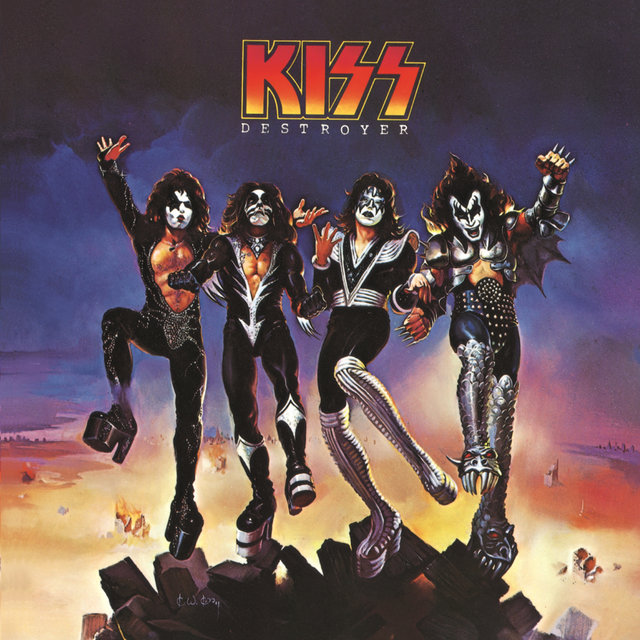
It was a controversial album among their fans when it was released, but 50 years later there is no doubt that Destroyer was the record that made KISS a phenomenon for the long term.
DESTROYER
Produced by Bob Ezrin
Released 15 March 1976
Side 1
“Detroit Rock City” (Stanley/Ezrin)
“King of the Night Time World” (Stanley/Fowley/Anthony/Ezrin)
“God of Thunder” (Stanley)
“Great Expectations” (Simmons/Ezrin)
Side 2
“Flaming Youth” (Frehley/Stanley/Simmons/Ezrin)
“Sweet Pain” (Simmons)
“Shout It Out Loud” (Stanley/Simmons/Ezrin)
“Beth” (Criss/Penridge/Ezrin)
“Do You Love Me” (Stanley/Fowley/Ezrin)
By the end of 1975, KISS had hit the jackpot with the release of their double live album KISS Alive! and sold-out arena tours around the USA. January 1976 saw the band working hard in New York City’s Record Plant Studios with celebrated producer Bob Ezrin, recording the songs they had started working on in the summer of 1975 for their first post-breakthrough studio album, Destroyer.
When Destroyer was released in March 1976, the band and Ezrin would experience a backlash from fans and critics that led KISS to ditch the idea of continued collaboration with the Alice Cooper producer and return to Alive! producer Eddie Kramer. Only with the late 1976 chart success of the “Beth” single did the rehabilitation of Destroyer begin.
At this point, 50 years later, Destroyer is indisputably accepted as one of the best and most significant albums KISS ever recorded.
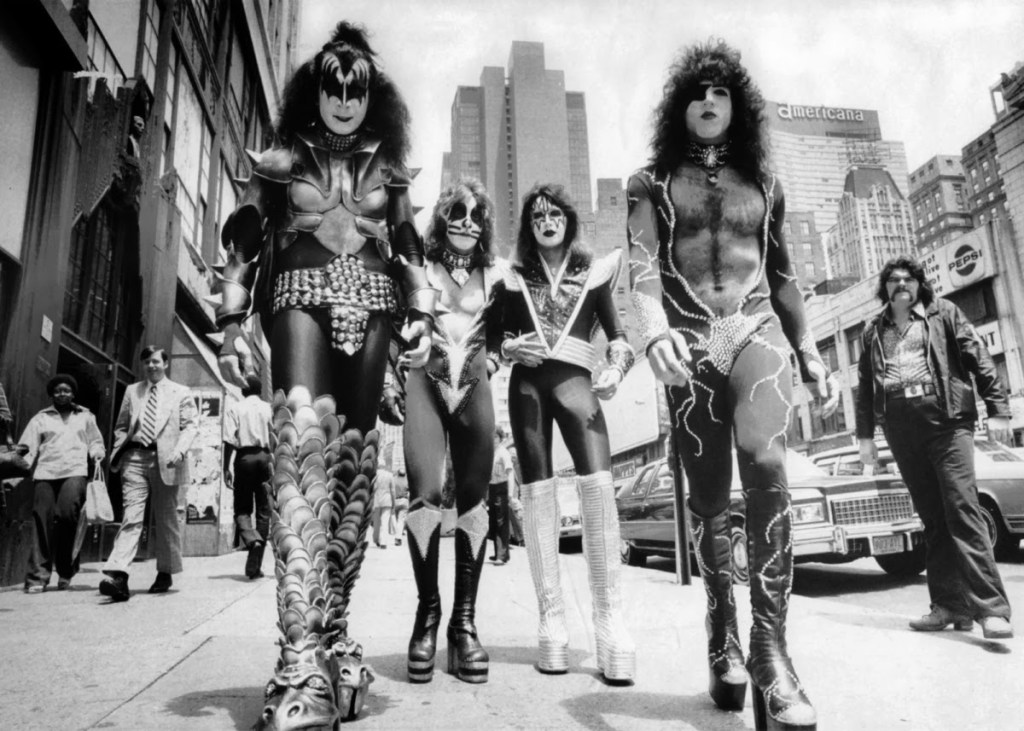
Destroyer is the only 1970s KISS album that would sound powerful and contemporary in any subsequent decade. All credit for this must go to producer Bob Ezrin (who had done sterling work on Alice Cooper’s Billion Dollar Babies just before joining up with KISS) and his engineers Jay Messina and Corky Stasiak. From the atmospheric intro that leads into spellbinding opening track “Detroit Rock City”, through every twist and turn of the album, to the majestic and triumphant send-off with “Do You Love Me”, Destroyer is not only one of the best ever KISS records but a classic rock masterpiece in general.
There are not many 1970s rock albums with a drum sound as heavy and modern-sounding as this. Ezrin’s own work on Cooper’s records of the era, as well as his co-production of Pink Floyd’s The Wall, come to mind. Combined here with crisp and clear guitars, fat and punchy bass, and deliciously judged vocal performances from Stanley, Simmons and Criss, the sound of Destroyer is head and shoulders above and beyond anything else KISS did in the 70s.
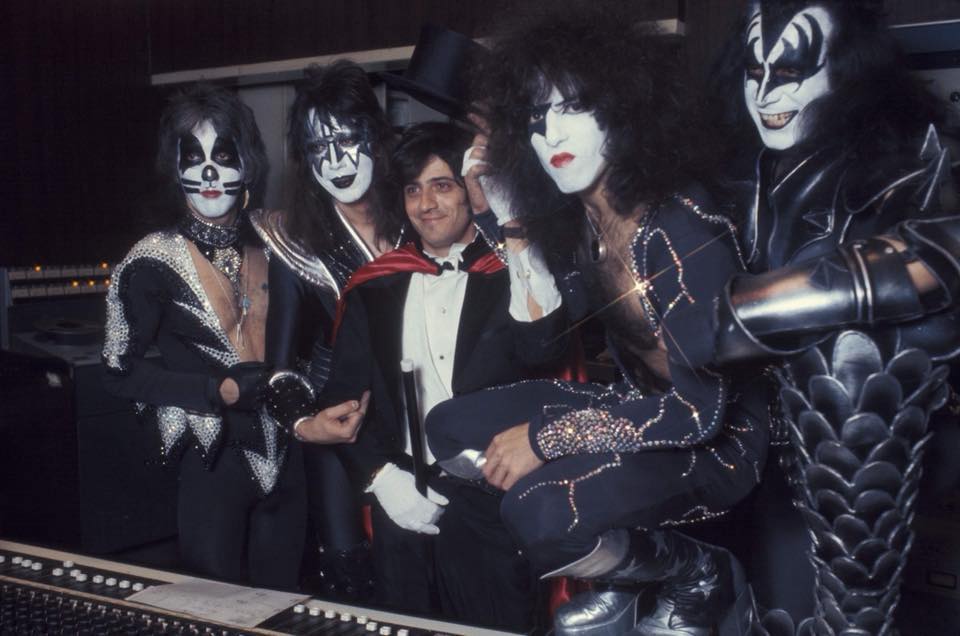
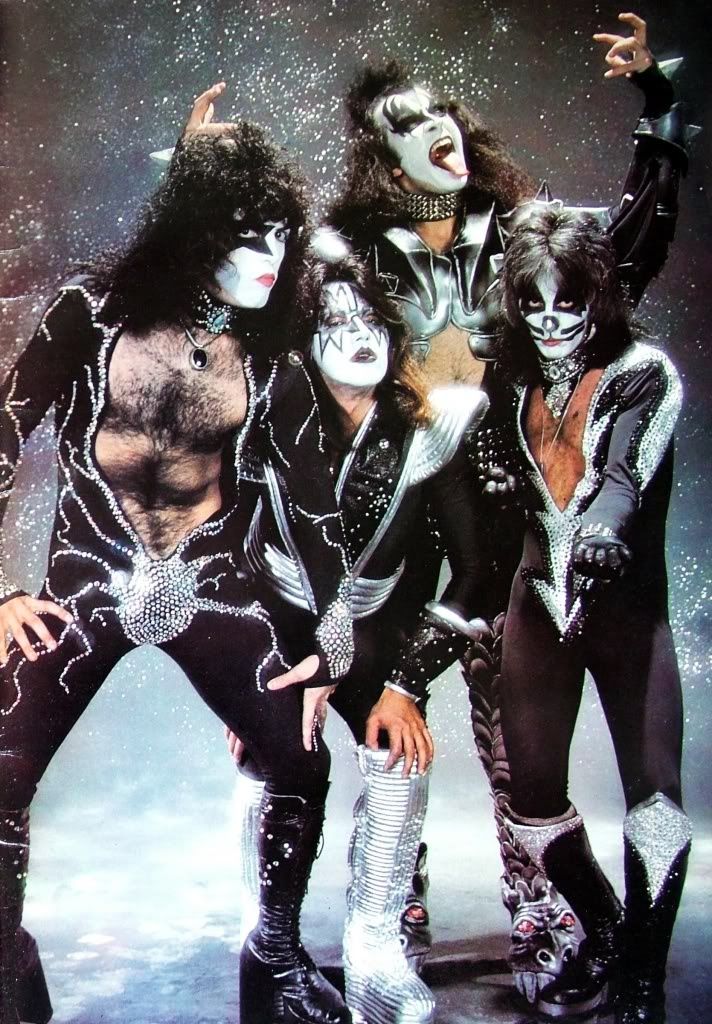
Paul Stanley in particular steps up with first-rate songwriting. Opener “Detroit Rock City”, skillfully arranged into a cinematic piece of drama by Ezrin, would become one of the few mainstays in the band’s setlist throughout all eras of their touring history. The equally thrilling “King of the Night Time World”, developed from a song submitted to Ezrin by songwriter Kim Fowley and his bandmate Mark Anthony, suits Stanley perfectly too. And his and Ezrin’s “Do You Love Me” completes the construction of Stanley’s Starchild character.
Surprisingly, the quintessential Gene Simmons moment on the record, “God of Thunder”, was written by Paul Stanley. Ezrin decided that the track should be performed by Simmons, and a Demon classic was born. Simmons would supply the left-field ballad “Great Expectations”, arranged for orchestration and choir by Ezrin and H. A. Macmillan, and he would also co-write the convincing “Rock and Roll All Nite” follow-up “Shout It Out Loud” with Stanley and Ezrin.
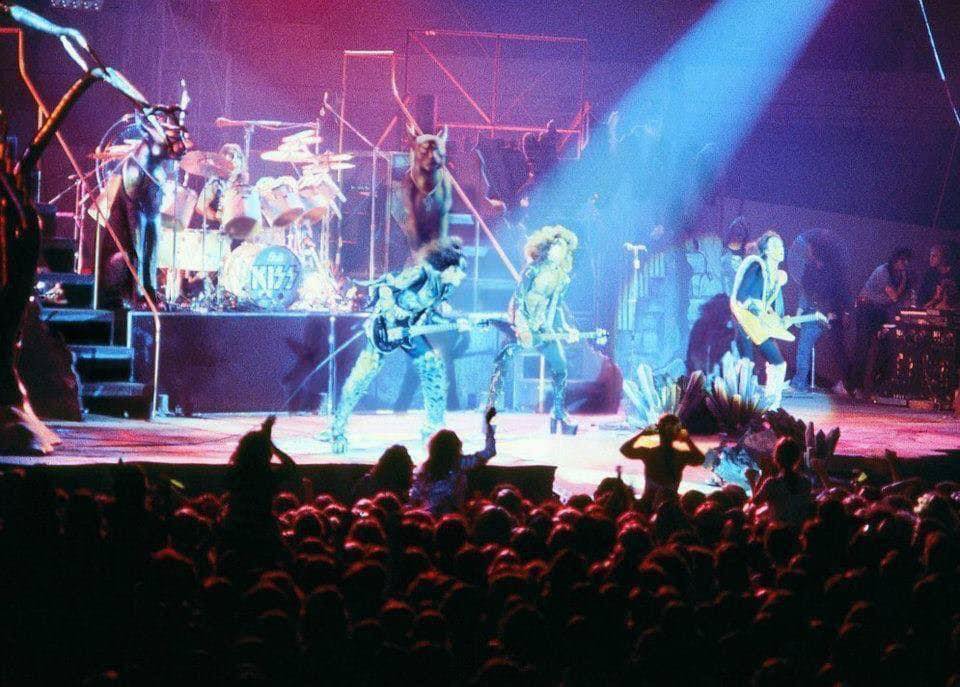
Even as Ace Frehley was starting to stumble into alcohol dependency and drug abuse at this point, only contributing an idea or two to “Flaming Youth”, Destroyer is KISS firing on all six. Ezrin had to rope in guitar maestro Dick Wagner to cover for Frehley on occasion, but it is impossible today to hear Destroyer as anything but quintessential KISS.
The first songwriting contribution to a KISS record by Peter Criss comes in the form of the orchestral ballad “Beth”, a chiefly Stan Penridge-concocted tune that producer Ezrin took to the piano and turned into what would become KISS’ first legitimate hit single. It was a gamble that threatened KISS’ hard rock credibility in the short run, but it added to their longevity by widening the KISS aesthetic and thus their audience base.
A slight drop in quality with “Flaming Youth” and Simmons’ “Sweet Pain” do not detract from the overall sonic and emotional experience of Destroyer as a masterpiece album. It is more than possible, to this day, to salivate at the imagination of what Bob Ezrin could have built with KISS had he been allowed to continue the collaboration with them on the subsequent records Rock and Roll Over (1976) and Love Gun (1977). It was not to be, however, and Ezrin would only return to KISS for the catastrophic (Music from) the Elder in 1981 and the triumphant Revenge in 1992.
Ezrin’s remix of the record, issued as Destroyer Resurrected in 2012, sounds more modern but fascinatingly less engaging for being cleaned up. And buyer beware: the 2019 orange vinyl edition of this remix tends to feature the original mix of the album by mistake. The 2021 super deluxe edition features a brilliant surround mix by Steven Wilson, but disappointingly only an audience recording from Paris as live supplement.
The lush Ezrin production of the original album, sounding excellent in pretty much any vinyl, CD or digital edition through the decades, gives it a timeless quality that is rare in KISS’ or any other band’s catalog. Destroyer is KISS hitting a high-water mark they would never be able to better, and only rarely to duplicate. Ezrin brings a new sense of myth and mystery to KISS: The drama, characterization and storytelling elevates Destroyer to a sum greater than its parts. It remains a promise that was never really fulfilled, but a masterpiece nonetheless.
Place in KISStory:
6/6 MASTERPIECE
5/6 Great
4/6 Good
3/6 OK
2/6 Disappointing
1/6 Crap

 STRANGE WAYS